


Insurance Adjuster in Tampa: Who Really Works for You?
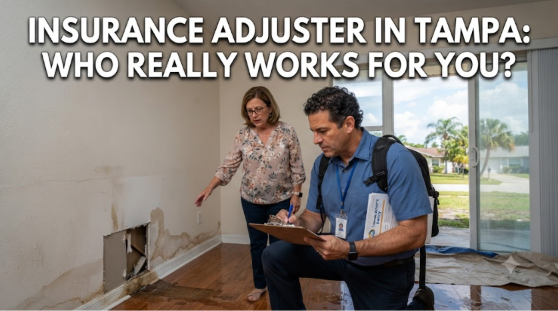
The person walking through your damaged home with a clipboard looks like help. Whether they actually work for you is a different question.
When a storm, fire, or burst pipe damages your property, someone from the insurance side usually shows up fast, ready to inspect and take notes. They may be polite and professional. They also have a job to do, and it may not be the one you assume. Knowing who pays each adjuster tells you whose interests they protect.
If you are searching for an insurance adjuster Tampa homeowners and business owners can count on, this guide explains the three kinds of adjusters and how to choose.
Who Pays the Adjuster Matters Most
Three types of adjusters can touch a claim, and each answers to someone different. Company adjusters work for the insurer. Independent adjusters are brought in by the insurer.
Public adjusters are chosen and paid by the policyholder. Only the third group represents you.
Company and Independent Adjusters
A company adjuster is an employee of your insurance carrier. They inspect the damage, read your policy, and decide what the insurer owes. After a hurricane, when claims arrive by the thousands, carriers often bring in independent adjusters on a contract basis to share the load.
Neither role is dishonest by nature. Both follow the insurer’s guidelines because the insurer signs their paychecks.
What a Public Adjuster Actually Does
A public adjuster stands on your side of the table. The work starts with a close look at the property and runs through the final settlement conversation. The team handles several jobs for you:
- Identifying every detail of your property loss
- Appraising and assigning exact values to the damage that belongs in the claim
- Preparing and submitting the documents your insurer requires
- Representing your rights throughout the process
- Negotiating the settlement on your behalf
Many policyholders find this part surprising. Handing the paperwork and negotiating to someone else means you can focus on repairs, family, or keeping a business open. A good insurance adjuster Tampa property owners rely on also reads the fine print of your policy, which most people never have reason to study until something goes wrong.
Three Adjusters Side by Side
|
Type of Adjuster |
Who Pays Them | Whose Interests They Serve |
Main Job |
|
Company adjuster |
The insurance carrier | The carrier |
Reviews and values the claim |
|
Independent adjuster |
The insurance carrier | The carrier |
Handles claims on contract |
|
Public adjuster |
The policyholder | The policyholder |
Documents, values, and negotiates |
Where the Insurer’s Adjuster Does Well
Fairness runs both ways here. A company adjuster knows the carrier’s process inside out and can often inspect quickly, which helps when you need repairs started. For a small loss with a clear policy, working directly with the carrier may be perfectly fine, and plenty of people do exactly that.
The picture changes when damage is large, the policy language is dense, or the first offer looks far from what you see in your living room. That gap is where outside representation tends to earn its place.
A Partnership Built Around Your Claim at Compass Claim Solutions
The public adjusters at Compass Claim Solutions bring more than 10 years of specialized experience to claims for homeowners, condo associations, business owners, and commercial property owners. Insurers use strategies and stall tactics to protect themselves when paying claims, and the team knows how to handle them.
Think of it as a partnership. You know your property and what you lost, and the adjuster knows the process and the paperwork. Together you build a claim that reflects the real damage. Clients have described the experience as being able to step back from the insurer entirely while someone else handled the calls.
What It Costs to Work With a Public Adjuster
Cost is the question most people ask first. The firm works on a contingency basis, so you pay a percentage of what is recovered and nothing if nothing is recovered. Florida law caps the fee at 10% of your settlement for disaster claims filed within the first year, which means you know the highest amount before work begins.
The fee comes out of the settlement. You never pay it out of pocket up front.
Losses a Public Adjuster Can Help With
Property damage comes in many forms, and the help covers most of them. Common claims include:
- Hurricanes
- Flood damage
- Plumbing leaks
- Fire damage
- Wind and storm damage
- Mold damage
- Lightning
- Theft and vandalism
Third-party liability claims are part of the work as well, along with residential and commercial losses.
Reopening a Claim You Already Settled
Plenty of people assume that signing a settlement ends the story. It may not. A settled claim can sometimes be reopened so you can collect additional money you should have received, because many policyholders are never told the full extent of their coverage and rights.
If the check you accepted never covered the repairs, a fresh review of your policy and the damage is worth a conversation.
Choosing the Right Help for Your Situation
Small damage and a simple policy usually point toward handling the claim yourself. Large damage, confusing coverage, or a low offer point toward a public adjuster. Condo boards, HOAs, and business owners face extra moving parts, so professional representation often saves them time. Anyone who settled and still feels shorted should ask whether the claim can be reopened.
The best insurance adjuster Tampa residents can choose is simply the one whose job is to protect your interests.
Final Thoughts
Not everyone who inspects your property is working for you. Company and independent adjusters answer to the insurer, while a public adjuster answers to you.
Compass Claim Solutions offers a free consultation to talk through your options, with no obligation. You can call (352) 502-5928 or visit compassclaimsolutions.com to get started.