


Finding a Public Adjuster Near Tampa: What Property Owners Should Know
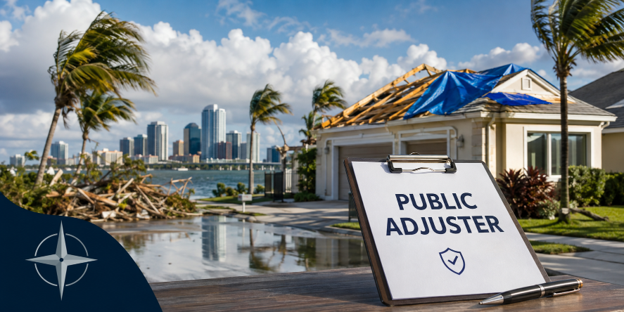
Storm damage, a house fire, a pipe that finally gave out, whatever brought you here, there’s a decent chance you’re now typing “public adjuster near Tampa” into a search bar and hoping something useful comes back. Fair question. Where someone is based, and how well they know this stretch of Florida, shapes the kind of help you actually get.
Someone working claims in this region week after week has likely already seen a version of your situation before. This piece looks at what local experience really adds, and how to figure out who’s worth calling first.
Why Location Matters When Choosing a Public Adjuster
Tampa Bay has its own weather personality, tropical systems rolling in most summers, sudden downpours that flood a garage in twenty minutes, humidity thick enough to grow mold behind drywall before anyone notices. A public adjuster who’s used to that pattern reads damage differently than someone parachuting in from another state. They’ve probably documented similar losses before, which tends to make the paperwork tighter and the inspection faster.
Being close by matters in a more practical sense too. A local adjuster can usually get out to the property sooner, walk it with you in person, and stay reachable without a time-zone gap or a flight schedule getting in the way. When water is still sitting under the flooring or a tarp is the only thing between your roof and the next storm, that kind of responsiveness isn’t a luxury.
How Compass Claim Solutions Supports Claims Near Tampa
Compass Claim Solutions handles the kind of losses that show up again and again in this part of Florida, hurricane and wind damage, flooding, plumbing failures, fire and smoke, mold that crept in after moisture sat too long, lightning strikes that fried an electrical panel, and theft or vandalism losses that need careful documentation to hold up. None of these claims work the same way. A burst pipe claim and a hurricane claim don’t share a checklist, and treating them like they do is usually where people run into trouble.
What ties the approach together isn’t a script, it’s spending real time in the policy language before assuming what’s covered, and treating the relationship as a partnership rather than a transaction. You’re not handing off a file to a stranger; you’re working alongside someone who’s supposed to be reading the fine print so you don’t have to guess at it.
Local Knowledge and Its Role in the Claims Process
Regional familiarity goes beyond knowing when hurricane season starts. Someone working around Tampa regularly tends to know the older housing stock, the roofing materials that show up most often, and how fast mold can spread if repairs stall in the heat and humidity.
That background helps with repair estimates too, since labor and material costs shift from one part of the state to another. It’s not a substitute for reading your specific policy line by line, but it does cut down on the time spent explaining basic local context before the real claim work starts.
How to Start the Search for a Nearby Adjuster
Start with licensing, Florida requires public adjusters to hold an active state license, and that’s worth confirming before anything else. From there, ask how much experience they have with your specific type of damage, since fire claims and flood claims genuinely call for different expertise.
Reading client reviews or testimonials tends to say more about communication style than a polished website ever will. It’s also worth double-checking that whoever you’re talking to actually serves the public adjuster near Tampa area, rather than listing it as one region among dozens. Most reputable public adjusters offer a free initial consultation, so there’s rarely a reason to commit before you’ve had that first conversation.
Local vs Out-of-Area Adjusters
Neither option is automatically right; it depends on the claim. The table below lays out the general trade-offs, though individual firms vary.
|
Consideration |
Local Adjuster | Out-of-Area Adjuster |
| Response time for in-person inspection | Usually faster |
Can take longer to schedule |
|
Familiarity with regional risks (storms, humidity, older construction) |
Generally stronger | May need more upfront explanation |
| Travel logistics for site visits | Minimal |
Adds scheduling complexity |
|
Specialized expertise for unusual loss types |
Varies by firm | Sometimes broader, if niche-focused |
| Availability during peak storm season | Can still get stretched thin locally |
Occasionally more flexible scheduling |
To give the other side its due, an out-of-area adjuster with deep experience in something niche, large commercial losses, say, might still be the better call for an unusual claim. Geography isn’t the only variable, just an important one.
Documentation to Have Ready
Walking into that first meeting with a few things already gathered saves everyone time. It’s worth having on hand:
- A copy of your current insurance policy
- Photos or video of the damage, taken as soon as it’s safe to do so
- Receipts for any emergency repairs or mitigation already completed
- Any emails or letters already exchanged with your insurance company
- Contractor estimates, if you happen to have them already
None of this needs to be perfectly organized. Having it available is what matters most.
What Happens After You Hire One
Once you decide to move forward, the process tends to follow a similar shape across most claims. It starts with a policy review and a property inspection, then moves into documenting the damage in detail. The adjuster puts together a claim package reflecting the actual scope of loss and takes over negotiations with the insurance company directly.
Timelines shift depending on the extent of the damage and how much back-and-forth the insurer requires. Staying in touch with your adjuster along the way keeps you from feeling like the claim disappeared into a black hole.
Conclusion
Picking the right person to represent your claim is one of the bigger decisions you’ll make after property damage happens. A public adjuster near Tampa who knows the region, its weather, its construction, and its insurers brings something a distant firm usually can’t match.
Compass Claim Solutions works this way, treating each claim as a partnership rather than a handoff. Ask the right questions upfront, have your documentation ready, and you’ll walk into the process with a much clearer sense of where things stand.